
How Do You Structure Articles and Memorandum of Association for an International Founder Team?
Learn how to structure the Articles and Memorandum of Association for an international founder team, define ownership and responsibilities, and establish a clear legal framework for your UK company.
Structure the articles around member rights, director powers, and decision-making rules, then pair them with a short memorandum signed by each founder. With complete information and finished legal and ID checks, you can form a company online in as little as 3 working hours.
What Separates the Articles from the Memorandum of Association?
The memorandum is a short statement signed by each subscriber confirming they wish to form the company and become members. The articles are the internal rulebook governing members, directors, meetings, and decisions. Founders submit both to Companies House during online incorporation.
Section 8 of the Companies Act 2006 defines the memorandum. It records two facts: the subscribers wish to form a company, and they agree to become members. It contains no operating rules.
Section 18 requires every company to adopt articles. Under section 33, articles operate as a contract between the company and its members. They bind every founder from the day of incorporation.
Companies House publishes both documents on the public register. Founders in different jurisdictions review each clause before filing. The register is searchable worldwide.
How Do You Structure Articles for Founders in Different Countries?
Structure articles in four parts: membership rules, director appointment and powers, decision-making procedures, and exit provisions. Write each part so founders in separate time zones follow identical rules. Every clause names who decides, by what majority, and within what notice period.
Membership and Voting Rules
Open with membership. Define who qualifies, how new members join, and how membership ends. The model articles for private companies limited by guarantee give each member one vote. Equal votes suit founder teams of equal standing. Weighted votes require bespoke wording.
Director Powers and Board Meetings
Set director powers next. The model articles authorise directors to manage the company's business. They fix a default quorum of two directors. They also give the chair a casting vote on tied decisions.
The casting vote hands one founder control of every tie. Founders of equal standing remove it and add a deadlock procedure, such as referral to mediation after 14 days.
Remote Decision-Making Across Time Zones
The model articles let directors attend meetings by any method that allows them to communicate. Video calls qualify. Unanimous written decisions also bind the company once every eligible director signals agreement.
Set a minimum notice period of seven days. Founders in Asia, Europe, and North America then attend the same meeting. State the language of notices and the method of delivery, such as email to a registered address.
Exit Provisions
Define the events that end membership: resignation by written notice, death, bankruptcy, and removal by special resolution. Name the director who processes each event. Clear exit terms protect remaining founders from disputes over who holds membership.
When Do Bespoke Articles Replace the Model Articles?
Bespoke articles replace model articles when founders require custom voting thresholds, member classes, deadlock procedures, or controls on admitting new members. Model articles suit simple structures. Companies House accepts bespoke articles uploaded during online incorporation.
The Companies (Model Articles) Regulations 2008 supply the default text. A company adopts them automatically when it files no other articles. They work for teams with equal votes and straightforward governance.
Four triggers justify bespoke drafting. First, voting thresholds: unanimous consent for borrowing above a set limit. Second, member classes: founding members with veto rights and associate members without votes. Third, deadlock: escalation steps with fixed deadlines. Fourth, admission: approval by every existing member before a new member joins.
Bespoke clauses stay on the public register. Draft each clause in plain, precise language. Ambiguous wording invites disputes among members in separate legal systems.
How Does a Limited by Guarantee Structure Change Your Articles?
A company limited by guarantee has no shareholders and no share capital. Members promise to contribute a fixed sum if the company is wound up. The articles replace share rules with membership rules, and incorporation includes a statement of guarantee.
The guarantee caps each member's liability at the sum stated at incorporation. Liability applies during membership and for one year after membership ends. Founders choose the guaranteed sum, and many companies set a nominal figure.
Voting power comes from membership, not shareholding. Articles define membership classes, admission criteria, and cessation events. Directors manage daily operations, and members decide matters reserved to them.
The Non-Resident Limited by Guarantee with Privacy Package lets overseas founders form a guarantee company with address privacy on the public record. The Non-Resident Limited by Guarantee with Privacy Package fits teams that prefer membership governance over share ownership.
How Do Public Filings Affect Founder Privacy?
Articles, the memorandum, and officer details appear on the public register. A registered office address and a service address replace home addresses on that record. Choose UK addresses that receive official notices reliably.
Companies House sends statutory notices to the registered office. Missed notices trigger penalties and compliance gaps. Founders abroad learn how official UK government correspondence reaches international founders before choosing an address.
Address providers differ in scanning, forwarding, and handling of official mail. Founders who compare what professional London address services include for non-residents select the provider that matches their correspondence volume.
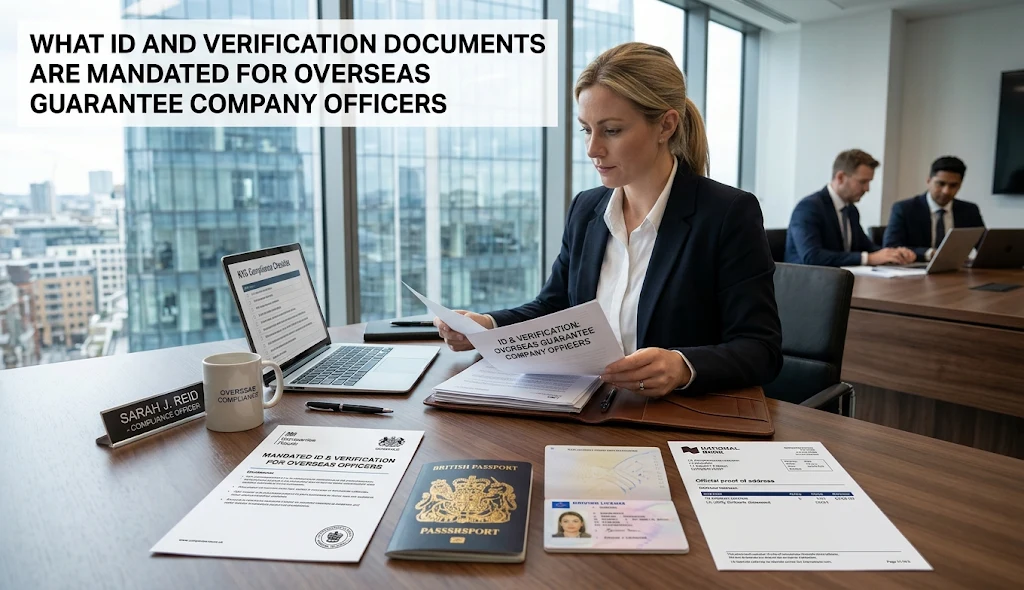
Director identity verification applies to every director. Companies House requires directors and persons with significant control to verify identity. Complete this step before submitting the application.
How Do You Protect Key Founder Provisions From Later Changes?
Entrench key clauses under section 22 of the Companies Act 2006. Entrenchment sets conditions stricter than a special resolution, such as unanimous member consent. Companies House records the entrenchment, and amended articles are filed within 15 days.
A special resolution requires 75% of votes cast. Section 21 allows members to amend articles by that majority. A 75% threshold lets a large bloc rewrite founder protections.
Entrenchment closes that gap. Founders entrench voting thresholds, veto rights, and admission rules. Changing an entrenched clause then requires the stricter condition stated in the articles.
Section 26 requires the company to send amended articles to Companies House within 15 days. Entrenched provisions adopted at incorporation are notified through the application. Review entrenched clauses before filing, because correction later requires the same stricter consent.
How Fast Can You Incorporate Once Your Articles Are Ready?
You can form a company online in as little as 3 working hours when you submit complete, accurate information and complete all required legal and ID checks. Your Web Filing Authentication Code appears on your company summary page after incorporation.
Processing time depends on Companies House. The count excludes weekends and bank holidays. Applications submitted on a Friday evening run into the next working day.
Delays occur when information or documents are incomplete or incorrect. Technical or application-related complexities also add processing time. Confirm names, addresses, guarantee amount, and article text before submission.
Upload bespoke articles in the format Companies House accepts. Match founder names on the memorandum to the names on verified ID. Mismatches trigger rejection and restart the review.
Why Does Document Structure Decide Founder Alignment?
Clear articles and a correct memorandum fix governance before disputes arise. They define votes, director powers, exits, and amendment rules in writing. International founders gain predictable decision-making across jurisdictions and time zones.
The memorandum confirms who founds the company. The articles govern how members and directors act. Entrenchment locks the clauses that matter most.
Non-Resident UK Company Formation delivers this route through the Non-Resident Limited by Guarantee with Privacy Package. It supports non-UK residents from incorporation through post-incorporation administration. Founders submit complete information, complete ID checks, and receive the Web Filing Authentication Code on the company summary page.


0 comments
No comments yet — be the first to share your thoughts.