
How Can International Entrepreneurs Ensure Seamless International Business Operations With Up-to-Date Corporate Records?
Maintain accurate, up-to-date corporate records to support seamless international business operations. Ensure regulatory compliance, improve administrative efficiency and keep your UK company organised while operating across borders.
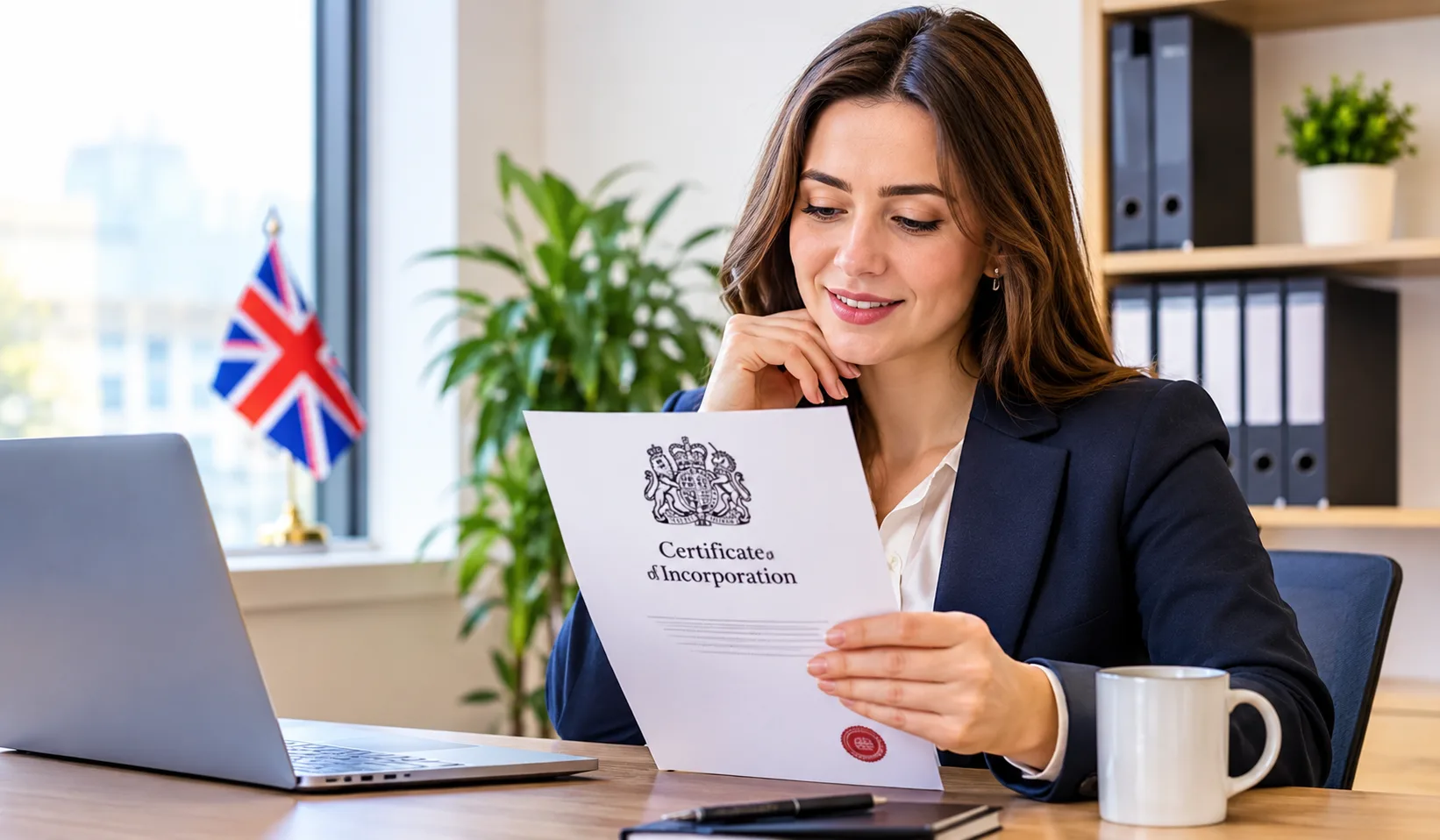
International entrepreneurs ensure seamless international business operations by maintaining current corporate records, synchronising Companies House registries, executing regular registry filings, and securing official documentation like the Duplicate Certificate of Incorporation.
Maintaining accurate corporate registries protects foreign directors against compliance failures, regulatory fines, and operational suspensions across global markets. Non-resident business owners manage complex multi-jurisdictional obligations when operating limited companies registered in the United Kingdom. Corporate registries require constant updates regarding director appointments, share allocations, and registered office addresses. Accurate registry maintenance prevents administrative bottlenecks during international banking reviews, cross-border contract negotiations, and tax audits. Foreign founders utilise structured administrative protocols to preserve legal standing and operational continuity without physical presence in the United Kingdom.
What Core Information Must Be Included in Up-to-Date Corporate Records?
Core corporate records must include accurate shareholder registers, statutory registers of directors, detailed People with Significant Control data, and active registered office address verifications.
Statutory registers track equity distributions, voting rights, and structural changes within a corporate entity. Companies House mandates that every UK limited company maintains a register of members containing names, residential addresses, and exact share quantities. Directors record precise appointment dates, nationality details, and correspondence addresses within internal governance logs. Compliance officers update People with Significant Control entries whenever beneficial ownership shifts exceed twenty-five per cent thresholds. Neglecting these mandatory disclosures triggers financial penalties from regulatory authorities and disrupts corporate transparency mandates.
Why Do International Companies Face Compliance Challenges With Corporate Records?
International companies face compliance challenges because cross-border postal delays, differing international time zones, and complex statutory filing deadlines complicate remote document management.
Foreign directors navigate unfamiliar regulatory frameworks enforced by UK statutory bodies without local administrative staff. Postal services often misroute statutory notices sent to international mailing addresses outside the United Kingdom. Time zone disparities delay urgent communication between company officers and registered agents during critical compliance windows. Furthermore, manual record-keeping errors compound quickly when management teams lack centralised digital document repositories. Overcoming these hurdles requires adopting automated compliance tracking systems and partnering with specialised corporate service providers.
How Does Maintaining Up-to-Date Records Facilitate Global Business Operations?
Maintaining up-to-date records facilitates global business operations by accelerating corporate bank account verifications, streamlining merchant account approvals, and satisfying international regulatory due diligence.
Global financial institutions demand flawless corporate documentation before approving commercial bank accounts for foreign-owned entities. Compliance officers examine statutory registers, incorporation certificates, and recent confirmation statements to verify legal existence. Up-to-date records satisfy strict Know Your Customer protocols enforced by international payment processors and digital fintech platforms. Businesses bypass lengthy verification delays when their public registries and internal files match perfectly. Consequently, operational momentum accelerates, enabling companies to execute commercial transactions across international borders immediately.
When Is Replacement Paperwork Required for UK Corporate Compliance?
Replacement paperwork is required when original incorporation certificates suffer physical damage, official documents vanish during international relocation, or corporate restructuring demands certified verification evidence.
Corporate compliance officers request replacement documentation during severe legal audits or unexpected asset verification requests. Official banking partners reject damaged or illegible incorporation certificates during mandatory annual reviews. Foreign entities secure a Duplicate Certificate of Incorporation when regulatory authorities demand certified proof of historical corporate existence. Timely replacement actions prevent contractual deadlocks when multinational enterprises bid on lucrative government and private sector tenders.
What Steps Streamline the Replacement of Lost UK Corporate Documents?
Streamlining replacement paperwork involves verifying company registration numbers, submitting authenticated applications directly to Companies House, and utilising specialised administrative support channels.
Company directors initiate the replacement process by retrieving their unique eight-character registration number from public registry databases. Applicants verify that all director particulars match official government databases before submitting digital retrieval forms. Specialised formation agents expedite document generation by communicating directly with registry officials on behalf of international clients. Companies review the insights detailed in Why Managing Replacement Paperwork Is Crucial for Remote UK Business Owners to understand the broader implications of lost corporate documentation. Proactive document management eliminates administrative friction when commercial partners request official verification proofs unexpectedly.
How Do Verified Corporate Records Prevent International Business Disruptions?
Verified corporate records prevent international business disruptions by establishing undeniable legal identity, proving active trading status, and satisfying cross-border statutory audit requirements.
Regulatory authorities across multiple jurisdictions inspect UK company registers to verify foreign parent entity legitimacy. Discrepancies between public filings and private ledgers freeze asset transfers and halt international shipments. Foreign executives review the guidance outlined in Replace Your Lost UK Incorporation Paperwork: Order the Duplicate Certificate of Incorporation Today to secure official proof of corporate identity. Non-Resident UK Company Formation delivers targeted administrative solutions that safeguard international business continuity through meticulous document management, registry synchronisation, and dedicated compliance support.



0 comments
No comments yet — be the first to share your thoughts.