
What Should You Do If Companies House Rejects Your Application?
Learn what to do if Companies House rejects your application. Discover common rejection reasons, how to correct errors, resubmit documents, and complete your UK company formation process smoothly and efficiently.
If Companies House rejects your UK company formation application, identify the rejection reason, correct the inaccurate or missing information, and submit the required amendments or a fresh application. Verify every director’s details and supporting documents before resubmission. Processing depends on application accuracy, legal checks, and Companies House requirements.
Why Does Companies House Reject a Company Formation Application?
Companies House rejects applications when submitted information fails registration requirements, contains errors, or lacks required details. Incorrect company names, inconsistent director information, incomplete documents, and unresolved identity verification requirements can prevent successful incorporation. Identifying the exact rejection reason establishes the correct route to resolution.
Companies House registers companies under the Companies Act 2006 and applicable registration requirements. Applicants must provide accurate information about the proposed company, its officers, and its registered office. The application must also satisfy the identity verification and other legal requirements applicable to the individuals involved.
An application rejection does not automatically mean the proposed business cannot register in the United Kingdom. It means the submitted application has not satisfied the relevant requirements. The next step depends on the reason recorded in the rejection notice.
Which application errors commonly cause rejection?
Company formation applications can fail because of specific data or compliance issues. Common examples include an unavailable or unsuitable company name, inconsistent director details, an invalid registered office address, incomplete shareholder information, or missing declarations.
Identity verification problems also affect the registration process. A director or other relevant individual may have to complete the required checks before the application proceeds. Applicants must follow the instructions applicable to their circumstances and confirm that submitted details match the required identity records.
How Can You Identify the Exact Reason for Rejection?
Read the Companies House rejection notice and identify the specific information, document, or legal requirement that remains unresolved. Compare the notice with your submitted application, record every discrepancy, and establish whether the correction requires amended information, additional verification, or a fresh application.
The rejection notice provides the starting point for resolving the problem. Read the full explanation rather than relying on a short notification or email subject line. Identify the affected field, the relevant company detail, and any instructions concerning the next submission.
Compare the rejected application with your original records. Check the proposed company name, registered office address, director names, dates of birth, residential details, shareholder information, and other submitted particulars where relevant.
How can you distinguish an information error from a compliance issue?
An information error involves incorrect, inconsistent, or incomplete application details. A compliance issue concerns an unmet legal or procedural requirement, such as an outstanding identity verification step or an unacceptable company name.
This distinction matters because changing a spelling error does not resolve an outstanding verification requirement. Likewise, completing identity checks does not correct an inaccurate registered office address. Match each correction to the specific reason stated by Companies House.
Keep a record of the original rejection notice and the changes made. This creates a clear audit trail and reduces the risk of repeating the same mistake during resubmission.
What Should You Check Before Resubmitting Your Application?
Validate every affected field against reliable source documents before resubmitting your application. Confirm the company name, registered office, director information, shareholder details, required declarations, and identity verification status. Correct all identified discrepancies together to reduce repeat rejection and unnecessary processing delays.
A successful resubmission begins with accurate information. Avoid changing only the field mentioned first when the rejection notice identifies several outstanding issues. Review the complete application and confirm that each section remains consistent with the supporting records.
How can you validate company and director information?
Start with the proposed company name. Check that it meets Companies House naming rules and does not conflict with applicable restrictions. A name that requires approval or contains prohibited wording requires the relevant action before registration can proceed.
Next, validate the registered office address. Confirm that it meets the applicable UK registered office requirements and accurately reflects the address provided in the application. A registered office must satisfy the relevant jurisdictional rules and cannot simply be any address chosen for convenience.
Review every director's personal details against the identification and official records used during the application process. Names, dates of birth, and other required particulars must match the relevant records. Correct discrepancies before submitting the application again.
How can you verify identity and supporting documents?
Confirm that each required identity check has been completed through the applicable process. Review any instructions concerning identity documents, verification codes, or personal information. Where a document is unreadable, incomplete, or inconsistent, provide the correct information through the permitted submission method.
Check that declarations and required application details are complete. Do not assume that uploading an identity document automatically satisfies every legal verification requirement. Follow the specific instructions issued for the application and the individuals involved.
Should You Submit a New Application or Correct the Existing One?
Choose the resubmission route according to the rejection notice and the available Companies House procedure. Correct an existing submission when an amendment process is available and appropriate. Submit a fresh application when required, ensuring the new application addresses every outstanding rejection reason.
The correct procedure depends on the application type and the stage at which Companies House rejected it. Some issues require corrected details or further evidence. Other circumstances require a new incorporation application.
Read the rejection instructions before taking action. Avoid submitting multiple applications without establishing whether a new submission is necessary. Duplicate or inconsistent applications can create additional administrative work and make it harder to track the correct registration status.
What information must remain consistent?
Maintain consistent company information across the application and its supporting records. The company name, director details, registered office, shareholder information, and relevant declarations must reflect the same intended registration.
If a director's identity details change during the correction process, check the effect on every affected field. Correct related inconsistencies instead of submitting isolated changes that leave contradictory information elsewhere.
Retain the application reference, rejection notice, and corrected records. These details help you track the submission and explain the changes if further clarification becomes necessary.
How Long Does It Take to Resolve a Rejected Companies House Application?
Resolution time depends on the rejection reason, the accuracy of corrected information, the completion of required legal and identity checks, and Companies House processing. Online company formation can take as little as three working hours when all required information is accurate, and checks are complete, but this is not a guaranteed timeframe for rejected applications.
The three-working-hour timeframe applies when a company formation application contains complete, accurate information and all necessary legal and identity checks have been completed. A rejected application may take longer because the original issue must first be resolved.
Companies House processing times exclude weekends and bank holidays. The time required to correct errors, obtain documents, complete identity verification, or address application-specific complexities also affects the overall timeline.
What causes further processing delays?
Incomplete information can prevent an application from progressing. Incorrect supporting documents can also require clarification or replacement. Technical problems and application-related complexities may require additional processing before Companies House reaches a decision.
Applicants can reduce avoidable delays by reviewing every required field before resubmission. They can also respond promptly to requests for further information and follow the instructions provided by the relevant authority.
Do not treat an estimated processing time as confirmation of incorporation. A company is not successfully registered merely because an application has been submitted or a processing window has elapsed. Confirm the registration outcome through the appropriate official record.
How Can You Confirm Successful Incorporation After Resubmission?
Confirm successful incorporation by checking the official Companies House company record and reviewing the incorporation documents. Verify the registered company details before beginning activities that depend on registration. Retrieve the Web Filing Authentication Code online through your company summary page when it becomes available.
After Companies House accepts the application, check the official company record for the registered company name, company number, registered office, and other published details. Compare these details with your submitted information and identify any discrepancies requiring attention.
The incorporation confirmation establishes that registration has been completed. Keep the incorporation documents with your business records and use the company number when dealing with relevant organisations.
Where can you find the Web Filing Authentication Code?
The Web Filing Authentication Code is provided online through your company summary page. Access the relevant company record and follow the available instructions to obtain the code.
This code supports access to Companies House WebFiling services. It is not the same as an identity verification code, company number, or incorporation certificate.
Protect the authentication code as a business credential. Share it only with authorised individuals who require access to manage the company's Companies House filings. If you cannot access the code or the relevant online service, consult the official Companies House guidance.
When Does Professional Company Formation Support Help Resolve Rejection?
Professional company formation support helps applicants interpret rejection notices, validate registration details, organise supporting information, and prepare accurate submissions. It is particularly useful when errors involve several application fields, identity verification requirements, or uncertainty about the correct resubmission procedure.
Applicants managing a UK company from outside the country often coordinate registration remotely. Differences in document formats, personal information records, and access to official services can make the process harder to manage.
A structured support process focuses on the actual rejection reason. It verifies the relevant details, checks application consistency, and identifies outstanding requirements before resubmission. This approach helps prevent repeated mistakes without guaranteeing acceptance or overriding Companies House decisions.
The Non-Resident Basic Setup service provides a starting point for non-UK residents seeking assistance with UK company formation. Review its scope to understand the support available for your circumstances and the requirements that remain your responsibility.
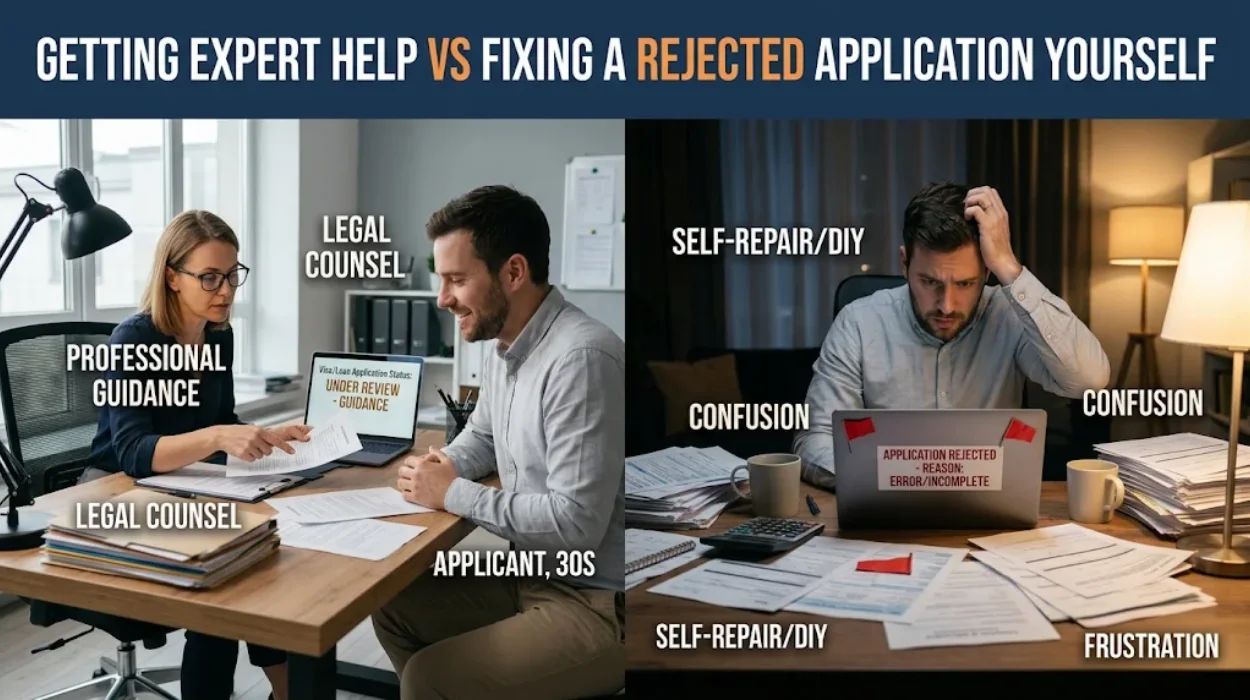
How can you decide between expert help and self-correction?
The choice depends on how complex the rejection is. A straightforward typographical error with clear correction instructions is usually easier to fix yourself. Multiple discrepancies or unresolved compliance requirements demand more careful review.
For a detailed comparison of the available approaches, read about getting expert help versus fixing a rejected application yourself. Evaluate the rejection reason, the documents involved, and your ability to complete the required corrections accurately.
Professional assistance does not guarantee that Companies House will approve an application. The registration authority retains responsibility for assessing submissions against the applicable requirements. Support focuses on improving accuracy, clarifying procedures, and helping applicants prepare complete information.
What Is the Best Way to Prevent Another Application Rejection?
Prevent repeat rejection by validating the company name, registered office, director details, shareholder information, declarations, and identity verification status before submission. Follow the latest Companies House instructions, retain supporting records, and address every rejection reason instead of correcting only the most visible error.
A pre-submission review reduces avoidable inconsistencies. It also gives applicants a clear record of the information supplied and the checks completed.
Use a consistent verification process for every application. Compare names and dates against source records, confirm that the registered office satisfies applicable requirements, and check that the correct individuals have completed required identity verification.
Review the entire application after making corrections. A change to one field can affect other details, particularly when company officers, shareholders, and declarations appear in multiple sections. Confirm that the final submission represents one consistent set of company information.
Applicants outside the United Kingdom also benefit from keeping digital copies of relevant documents and official correspondence. Organised records simplify follow-up actions and support accurate responses if Companies House requests clarification.
How Can Non-Resident UK Company Formation Support a Clearer Registration Process?
Non-Resident UK Company Formation focuses on UK company formation and business support for international clients. Its Non-Resident Basic Setup service offers a starting point for non-UK residents seeking help with registration, while applicants remain responsible for supplying accurate information and satisfying applicable legal requirements.
A rejected application requires a precise response rather than repeated submissions without investigation. Applicants must understand the recorded rejection reason, correct the underlying issue, and follow the appropriate resubmission procedure.
The most reliable approach combines accurate source information, completed identity verification, consistent application details, and careful review of official instructions. These steps address common causes of rejection and help applicants avoid preventable delays.
For non-UK residents, a structured formation process also provides a clearer way to manage registration requirements remotely. Reviewing the Non-Resident Basic Setup service helps applicants understand the available support before proceeding with company formation.
Successful incorporation ultimately depends on meeting Companies House requirements. Accurate preparation, prompt corrections, and verification of the final company record provide the foundation for a compliant registration process.



0 comments
No comments yet — be the first to share your thoughts.