
How Companies House Public Registers Differ From Your Private Legal Certificates
Understand the difference between Companies House public registers and private legal certificates, including which company details are publicly accessible and which documents remain confidential for business owners.
Companies House public registers provide open access to general corporate data for commercial research, whereas private legal certificates act as definitive proof of incorporation. Public databases display director correspondence addresses and filing histories, while official documents confirm registered company status.
Why Do Companies House Maintain Public Registers?
Companies House maintains public registers to ensure corporate transparency, protect consumer interests, and facilitate business verification across the United Kingdom economy. Regulatory authorities mandate open data access to prevent fraudulent operations and build marketplace trust.
The Registrar of Companies operates under statutory legislation to record corporate information for public inspection. Anyone can access searchable databases via digital portals to review company profiles, filing statuses, and historical accounts. This transparency allows creditors, suppliers, and financial institutions to evaluate corporate legitimacy before entering commercial agreements.
Transparency rules require registered entities to submit statutory updates regularly. These updates include confirmation statements, annual accounts, and director appointments. When a business fails to submit required documents, the registrar flags the entity with an active compliance warning. Public access ensures that commercial partners identify operational risks immediately.
Official registers also assist law enforcement agencies in tracking corporate ownership structures. Investigators examine beneficial ownership records to trace control hierarchies and prevent illicit financial activities. Open data availability eliminates hidden corporate entities and strengthens national economic security.
What Information Appears on the Public Register?
The public register displays active corporate status, registered office addresses, director correspondence details, and historical filing submissions. Anyone can view these records online through the official government portal without paying search fees.
Public profiles list fundamental details about every registered entity in the United Kingdom. Users examine incorporation dates, company type indicators, and Standard Industrial Classification codes. These codes describe the primary business activities performed by the corporate entity.
Director information remains visible to external stakeholders for accountability purposes. While residential addresses stay hidden from public view, official correspondence addresses appear alongside appointment dates. Shareholders holding more than 25% of shares or voting rights also appear under Significant Control registers.
Filing histories compile every document submitted since the date of incorporation. Stakeholders download past annual accounts, charge registrations, and resolution filings directly from the database. This chronological record demonstrates the administrative health of the enterprise over time.
How Do Private Legal Certificates Differ From Public Data?
Private legal certificates serve as definitive legal proof of corporate existence, whereas public registers display dynamic, searchable data feeds that change with every statutory filing. Official paper documents validate legal status for international authorities who require certified proof.
Legal certificates originate directly from official embossing and authentication processes at Companies House. When an enterprise requires verification for foreign banking setup or overseas trade licensing, third-party institutions demand physical or digital certificates rather than simple database printouts.
Public database records update continuously as directors submit new information. Conversely, a certificate captures static data frozen on the exact date of incorporation or name change. This immutable nature makes certificates reliable for legal contracts and court proceedings.
Entrepreneurs often misplace physical verification documents during operational transitions. When documents disappear, companies secure a duplicate certificate of incorporation to restore their official evidentiary records. Having secure access to these documents prevents operational delays during international verification checks.
When Do International Businesses Need Official Certificates?
International businesses need official certificates when opening foreign bank accounts, securing overseas trade licenses, or establishing subsidiary branches abroad. Foreign regulators reject database printouts and demand certified legal proof.
Cross-border expansion requires strict adherence to foreign documentary standards. Overseas financial institutions demand certified proof of corporate identity before approving commercial accounts. Without authenticated paperwork, banks halt onboarding procedures and freeze corporate applications.
Tax authorities in foreign jurisdictions also request certified documentation during permanent establishment registrations. Officials examine these papers to verify the legal standing of the parent corporation. This verification satisfies domestic tax compliance laws in the operating country.
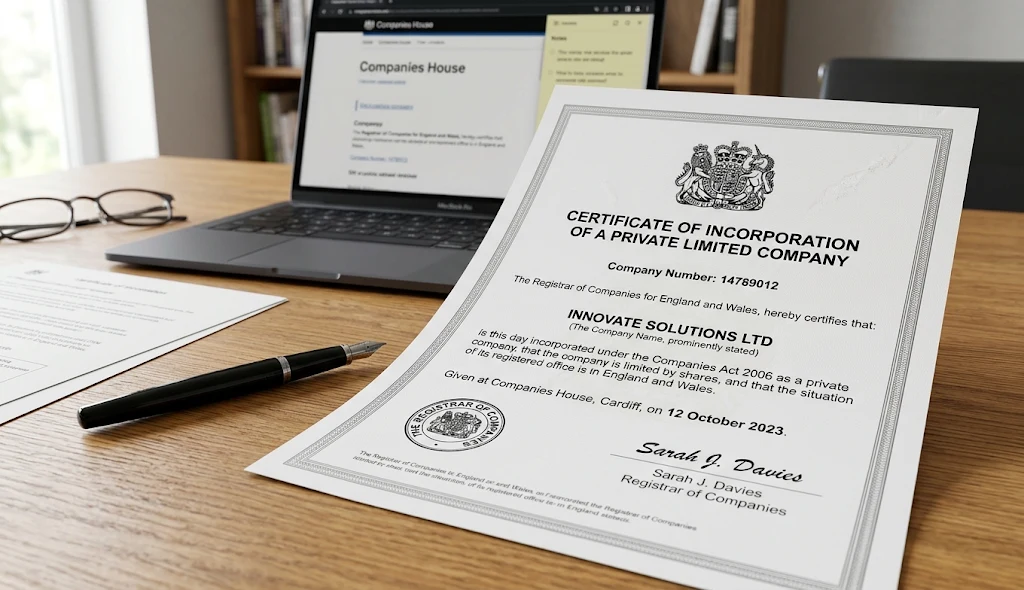
Entrepreneurs expanding internationally should review foundational details printed on an official UK certificate of incorporation to understand what global verification bodies examine. Knowing these exact specifications helps founders prepare accurate paperwork for foreign expansion.
How Do Document Replacements Support Ongoing Administration?
Document replacements restore damaged or lost corporate credentials, ensuring businesses maintain uninterrupted compliance readiness for audits and tenders. Administrative continuity depends on having immediate access to verified legal papers.
Corporate management teams encounter various administrative hurdles when original documents suffer physical damage or accidental loss. Replacing missing credentials protects the enterprise against compliance failures during sudden regulatory audits. Corporate auditors request original incorporation papers to verify initial share capital details.
Procurement officers also demand valid certification during high-value tender submissions. If a company fails to provide requested proof of existence, procurement boards disqualify the applicant immediately. Maintaining spare certified copies prevents missed commercial opportunities.
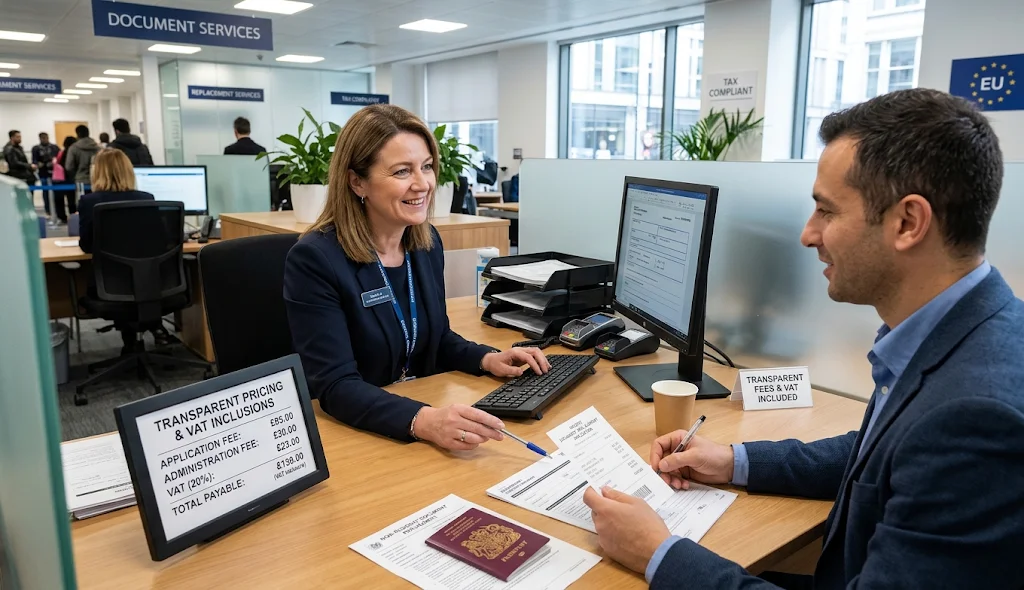
Managing administrative tasks efficiently requires a clear understanding of transparent pricing and VAT inclusions for non-Resident document replacements. Non-Resident UK Company Formation delivers straightforward pricing models for international founders seeking replacement certificates. Non-Resident UK Company Formation ensures foreign entrepreneurs receive authenticated documents without hidden administrative fees. Non-Resident UK Company Formation provides dedicated support to help overseas directors maintain flawless corporate compliance records.
Companies House public registers provide dynamic, searchable data for market transparency, while private legal certificates offer static, immutable proof of corporate existence. International founders must secure official certificates for cross-border banking and regulatory compliance. Non-Resident UK Company Formation delivers expert document replacement services to support international entrepreneurs. Non-Resident UK Company Formation ensures seamless administrative management for non-UK residents throughout their business journey.


0 comments
No comments yet — be the first to share your thoughts.