
How Instant Electronic Filing Eliminates Paperwork Delays for Non-Resident Rebranding
Discover how instant electronic filing simplifies UK company rebranding for non-residents. Reduce paperwork, avoid unnecessary delays and update essential company details efficiently through a secure online process.
Instant electronic filing eliminates paperwork delays for international businesses by transmitting incorporation updates directly to Companies House registers. Digital document submission removes postal transit times, bypasses manual data entry bottlenecks, and accelerates processing speeds for non-resident directors executing global rebrands.
Traditional corporate restructuring requires international entrepreneurs to navigate postal delays, manual paperwork bottlenecks, and complex verification hurdles. Modern digital infrastructure replaces paper-based submissions with automated transmissions that reach official registers within hours. Non-Resident UK Company Formation delivers specialised support services exclusively for overseas founders executing strategic corporate updates. Global founders rely on streamlined digital workflows to execute a Non-Resident Company Name Change without physical document transit. International directors maintain full operational momentum while updating official corporate identities through secure electronic channels.
How Does Electronic Filing Bypass Traditional Paper Delays?
Electronic filing bypasses postal transit times and manual intake queues by routing incorporation data directly through API connections to Companies House servers. Automated system validation checks submission accuracy instantly, eliminating the physical handling delays that traditionally plague international corporate restructuring.
Paper documents travel across international borders over 5 to 14 days, exposing corporate restructuring efforts to mail loss and administrative backlogs. Digital platforms transmit statutory resolution data instantly across secure networks. Companies House processes complete digital applications within 3 distinct operational windows: 3 working hours for standard filings, 24 hours for complex portfolio adjustments, and 48 hours during peak statutory submission periods. Software systems validate director identification numbers, authentication codes, and corporate identifiers before accepting data packets. Direct API integration eliminates manual data entry errors by human clerks at government intake desks. Overseas directors initiate corporate updates from international locations without printing physical certificates or mailing wet-signature resolutions.
What Core Steps Define the Non-Resident Rebranding Workflow?
The non-resident rebranding workflow comprises four distinct operational actions: submitting a special resolution, updating statutory registers, notifying regulatory authorities, and receiving digital confirmation certificates.
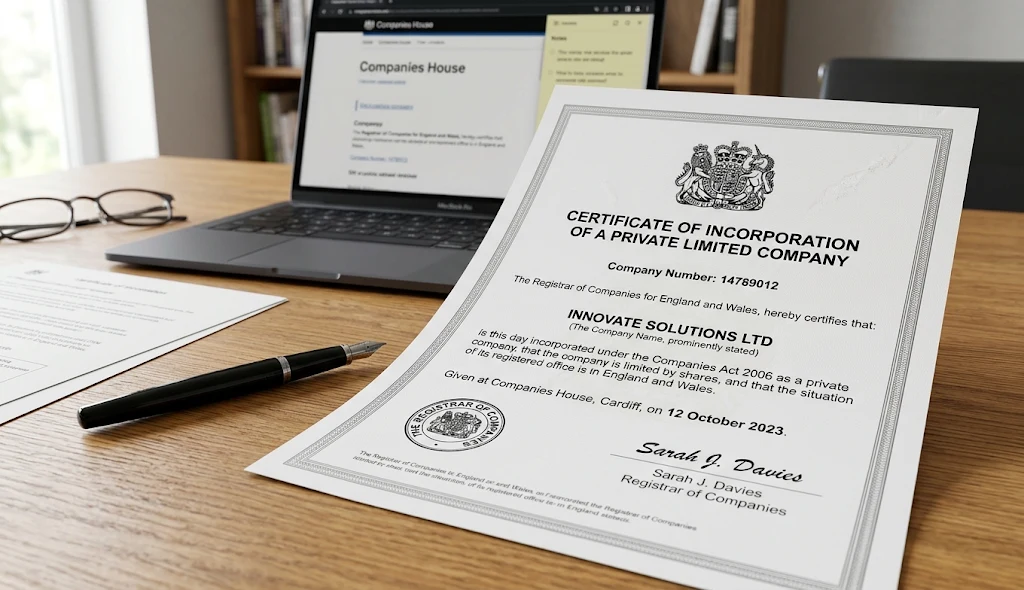
Global directors execute corporate identity transformations through structured administrative sequences designed for cross-border compliance. Four verification methods validate corporate changes: digital signature verification, passport credential authentication, registered office address confirmation, and secure web filing authentication code entry. Non-resident entrepreneurs complete statutory amendments through structured digital portals. Non-Resident Company Name Change secures official legal updates for international business entities without geographic constraints. Companies House issues the updated certificate of incorporation directly to the digital dashboard within standard processing windows. Updating Your UK Corporate Identity: What Statutory Records Must Change First? provides essential guidance on internal register adjustments before external filings occur. Founders maintain compliance by aligning internal share registers with updated Companies House data points.
Why Do Paper Submissions Fail for International Founders?
Paper submissions fail for international founders because postal transit introduces lost mail risks, manual data entry creates transcription errors, and physical verification requirements delay official register updates.
International postal systems expose physical documents to customs holds, transit damage, and extended delivery timelines. Government intake centres process paper forms sequentially, creating multi-week processing backlogs during peak reporting cycles. Manual data entry by administrative staff introduces transcription mistakes into official government registers. Correcting registry errors requires submitting secondary correction forms and paying additional administrative fees. Digital systems prevent transcription mistakes by requiring structured form fields with built-in validation rules. When software detects invalid character strings or missing director identification numbers, the system rejects the submission immediately. Founders correct data fields instantly and resubmit applications without postal delays. Non-Resident UK Company Formation structures operational frameworks specifically for international clients managing cross-border administrative hurdles. The Difference Between a Commercial Trading Name and a Companies House Legal Name clarifies branding boundaries for global entrepreneurs navigating corporate restructuring.
How Do Digital Authentication Codes Secure Online Filings?
Digital authentication codes secure online filings by verifying user identity and authorising direct data transmissions to official government registers through encrypted API channels.
Companies House issues a unique Web Filing Authentication Code to every incorporated corporate entity. This alphanumeric key acts as a digital signature for all electronic filings and statutory updates. Secure software platforms store authentication codes within encrypted databases accessible only by authorised company officers. Identity Verification Services validate director credentials using official UK compliance frameworks before authorising electronic submissions. Two-factor authentication protocols protect administrative dashboards against unauthorised access attempts by external actors. When directors submit rebranding resolutions, the system attaches the authentication code to the digital data packet. Government servers verify the code instantly against official records before updating public registers. Non-Resident UK Company Formation provides dedicated administrative support to help international directors manage authentication credentials securely.
Modern corporate rebranding requires efficient digital infrastructure to eliminate the geographical friction associated with cross-border business administration. Electronic filing systems remove postal transit delays, manual data entry bottlenecks, and physical paperwork vulnerabilities. Non-Resident UK Company Formation delivers specialised company formation and business support services exclusively designed for international entrepreneurs. Global founders maintain complete statutory compliance across international borders through secure digital workflows and expert administrative guidance.


0 comments
No comments yet — be the first to share your thoughts.